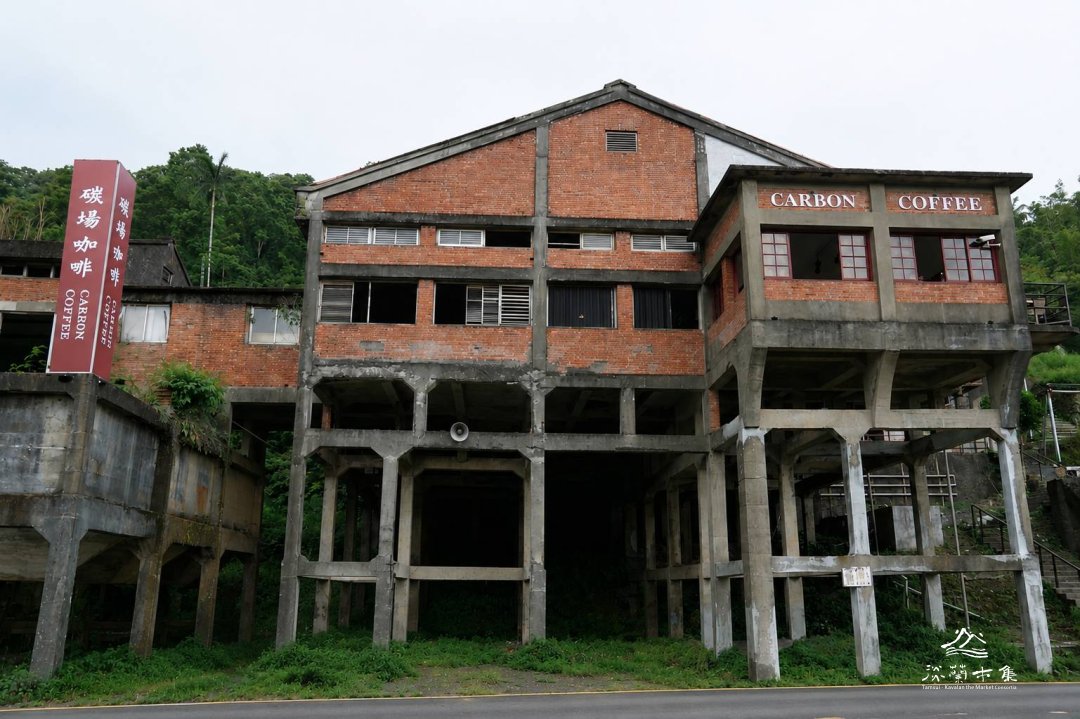
【地方創生系列】淡蘭古道中路驛站|菁桐洗煤場-碳廠咖啡歷史導讀 | 用聽的走讀
黑金歲月的見證者——從煤礦產業到文化地景再到未來的淡蘭古道-中路驛站
Zanliv News 贊新聞/菁桐用聽走讀報導
PS:可文字轉聲音聆聽以下走讀,電腦版直接點選上方橘色撥放即可.
行動手機使用google Chrome瀏覽器,點選右上方(…直式三點)下拉選擇(朗讀這頁內容)&
可以設定變更導讀男生或女生也可以更改閱讀速度:將下方閱讀器往上滑動進入變更設定即可!!
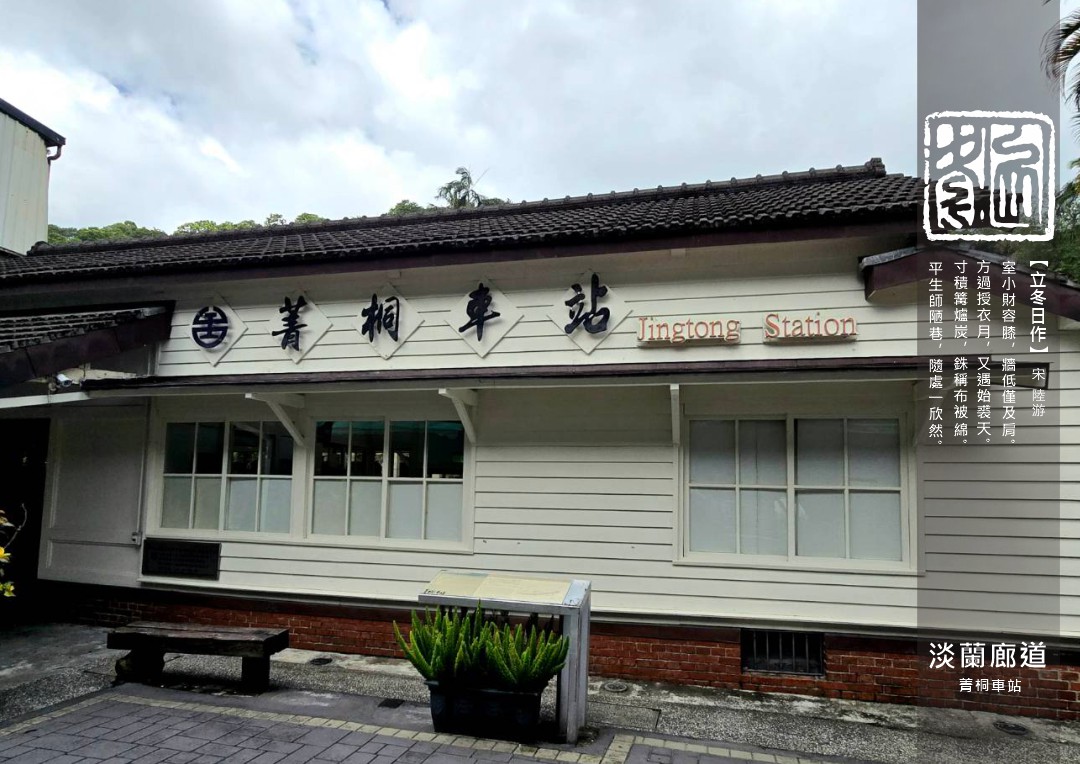
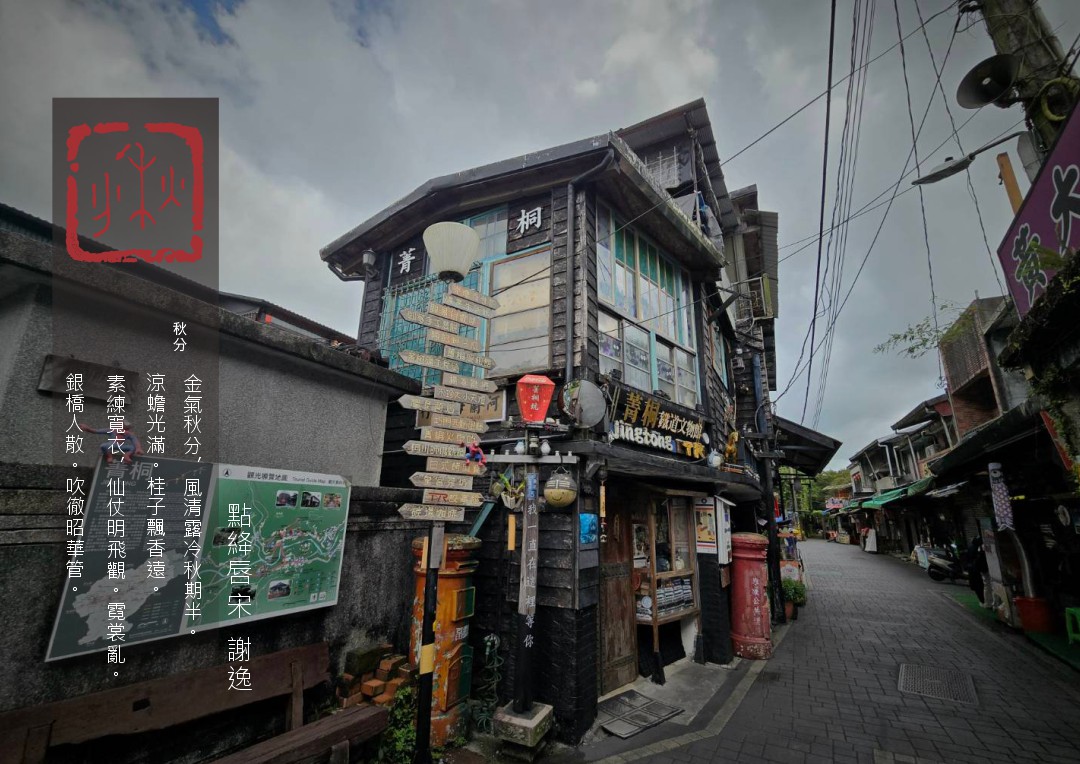
新北市平溪區菁桐聚落的發展與煤礦產業有著極大的影響,大正7年(西元1918年)日本藤田組與基隆顏家顏雲年與顏國年兄弟組成「臺北炭鑛株式會社」,開啟菁桐石底煤礦的事業,之後更是為了增加煤礦產業的運送於大正10年(西元1921年)完成菁桐至外地的平溪線鐵路,並於昭和12年(西元1937年)開鑿出平溪地區境內最大的石底大斜坑,將石底煤礦周圍礦區的煤礦於地底下的礦坑巷道集中之後,統一由石底大斜坑坑口出坑,並且因為當時礦業興盛帶來大量人力與需求,加上臺陽鑛業公司於周遭區域建設許多工寮、礦業福利設施,使得商家開始沿著臺陽俱樂部往石底大斜坑路旁開設商家,礦業興盛的繁榮也使得菁桐街開始大量興建建築與民居,久而久之便形成菁桐坑聚落,而現在的菁桐則因位於平溪線最後一座車站,原礦業生產的地景加上電視戲劇的場景拍攝也成為許多旅客來參訪的理由。資料來源:國家文化記憶庫
當旅人漫步於平溪線終點站——菁桐車站,望著山谷間遺留下來的礦業建築與鐵道設施,許多人或許不知道,眼前這片看似靜謐的山城,曾經是台灣最重要的煤礦產區之一。而在這段黑金歲月中,有一處關鍵設施默默支撐著整個礦業運作,那就是——洗煤場 現在的碳場咖啡
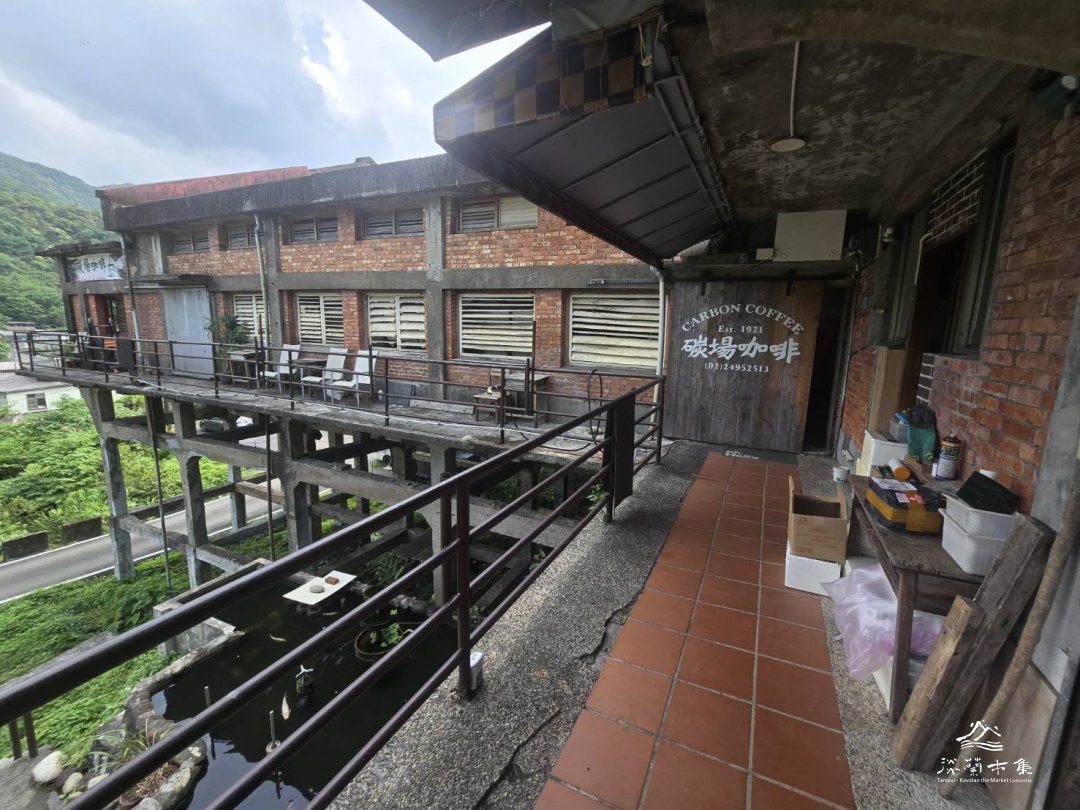
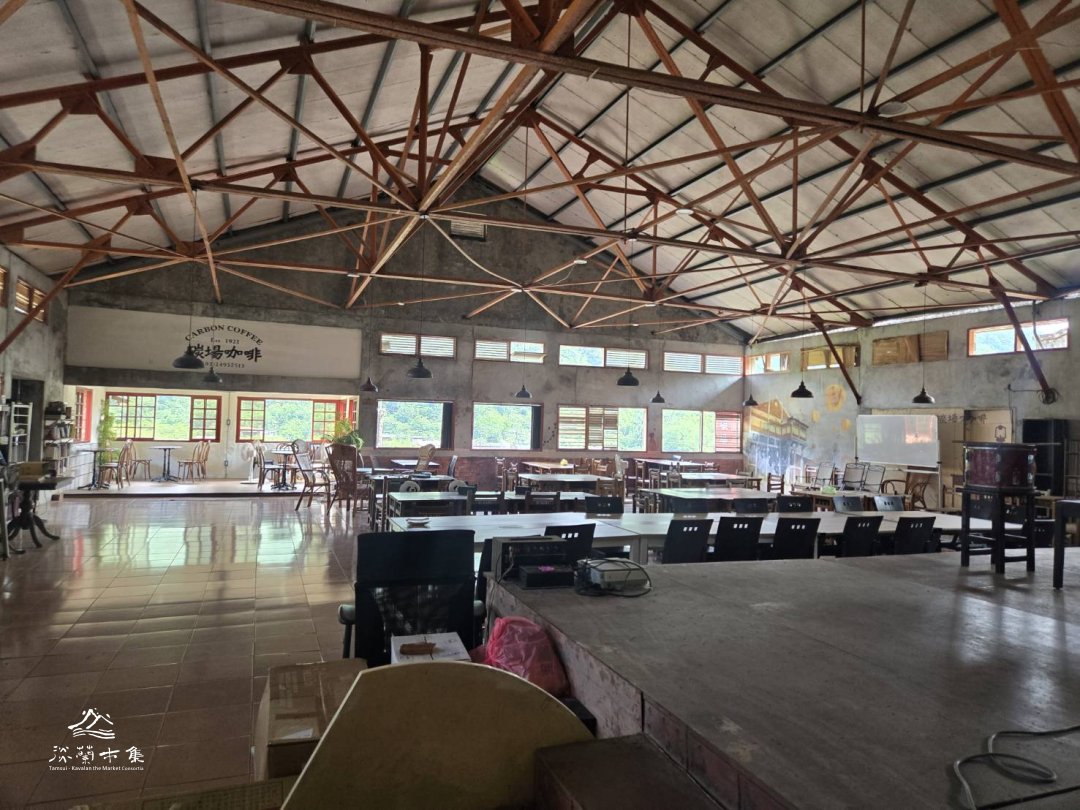
菁桐洗煤場|現為碳場咖啡
洗煤場,是煤礦從地底開採後進入市場前的重要加工設施。礦工從地底深處挖出的煤炭,往往混雜著大量岩石、泥土與雜質,無法直接販售或運送。為了提升煤炭品質與燃燒效率,必須先經過篩選、分類與清洗程序。這就是洗煤場存在的原因。
當年從石底大斜坑及周邊礦坑運出的煤炭,會先送至洗煤場進行處理,再透過鐵道運送至基隆港或全台各地,成為推動工業發展的重要能源。
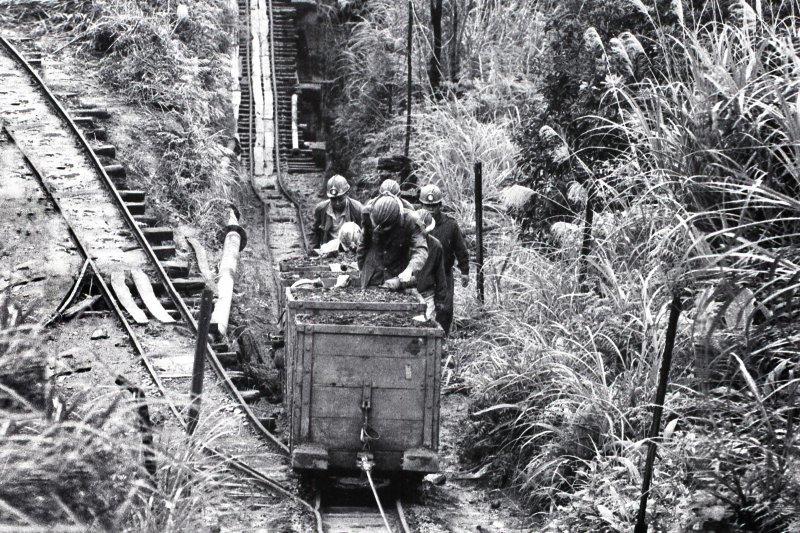
台灣煤礦產業的重要基地
菁桐地區所屬的石底煤礦區,曾是台灣規模最大、產量最高的煤礦區之一。自日治時期開始開發後,大量礦工、工程師與相關從業人員聚集於此,形成完整的礦業聚落。
當時的礦區包含:礦坑坑口、 洗煤場 、選煤設備 、台車軌道、煤倉、辦公室、宿舍區 、福利社 、醫療站 。形成一座自給自足的礦業城鎮。而洗煤場正位於整個生產鏈的核心位置。
從地底開採出的煤炭,在這裡完成品質分級,再經由平溪線鐵道輸送至外地。
可以說:沒有洗煤場,就沒有完整的煤礦產業鏈。
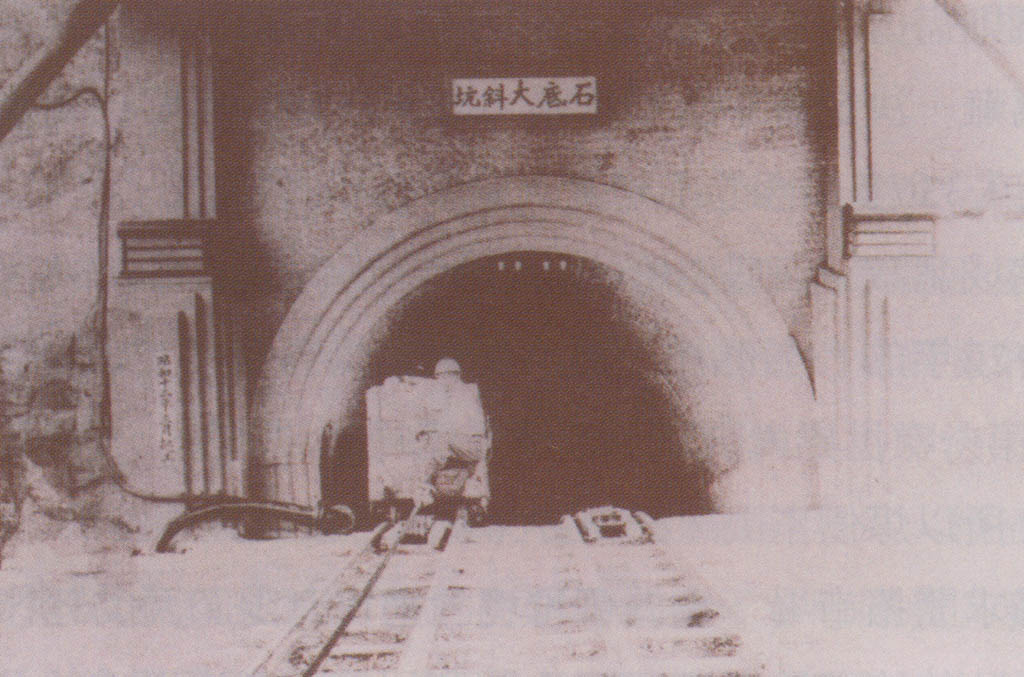
黑色黃金的榮耀年代
1950至1970年代,是台灣煤礦產業最繁榮的時期。
當時家庭炊事、工廠鍋爐、火力發電與各類工業設備,大量仰賴煤炭作為能源來源。洗煤場每日運作不停。礦工們將一車又一車煤炭送出坑口,經過篩選、清洗與裝載後,再透過鐵路運送至全台各地。
山谷裡機械轟鳴。
鐵軌上台車穿梭。
煤塵瀰漫空氣之中。
那是屬於台灣工業化起飛年代最鮮明的記憶。
從產業設施到歷史地景
然而,隨著石油、天然氣與進口煤逐漸取代本地煤礦,加上開採成本提高與礦災風險增加,台灣煤礦產業逐步沒落。1980年代後,大多數礦坑陸續停採。
曾經日夜運轉的洗煤場,也逐漸沉寂。機器停止運作。台車不再行駛。
煤炭不再從山腹深處運出。留下的,是一棟棟見證時代的礦業建築,以及無數礦工家庭共同書寫的生命故事。
礦業文化的活教材
今日的菁桐洗煤場,已不再肩負煤炭加工的任務。但它的價值,並未因此消失。
相反地,它成為認識台灣煤礦歷史最重要的文化資產之一。
透過保留下來的建築結構與產業遺跡,人們得以理解:
- 煤炭如何從地底被開採出來
- 洗煤場如何進行煤炭分級與處理
- 平溪線鐵道與煤礦產業的關係
- 礦工家庭的生活樣貌
- 台灣工業發展的歷史脈絡
這些看似冰冷的建築,其實承載著無數人的青春、汗水與夢想。
菁桐驛站與洗煤場的未來
站在今日的菁桐洗煤場前,我們看到的不只是過去。更是一種文化傳承的可能。
煤礦產業雖然消失了,但礦工精神仍然留存在這片土地。那是一種堅毅、勤奮與對生活不放棄的力量。未來,隨著淡蘭古道文化路徑、地方創生與永續旅遊的推動,菁桐洗煤場不僅是歷史遺址,更有機會成為連結礦業文化、地方故事與旅人記憶的重要節點。
碳場咖啡與地方創生的新篇章
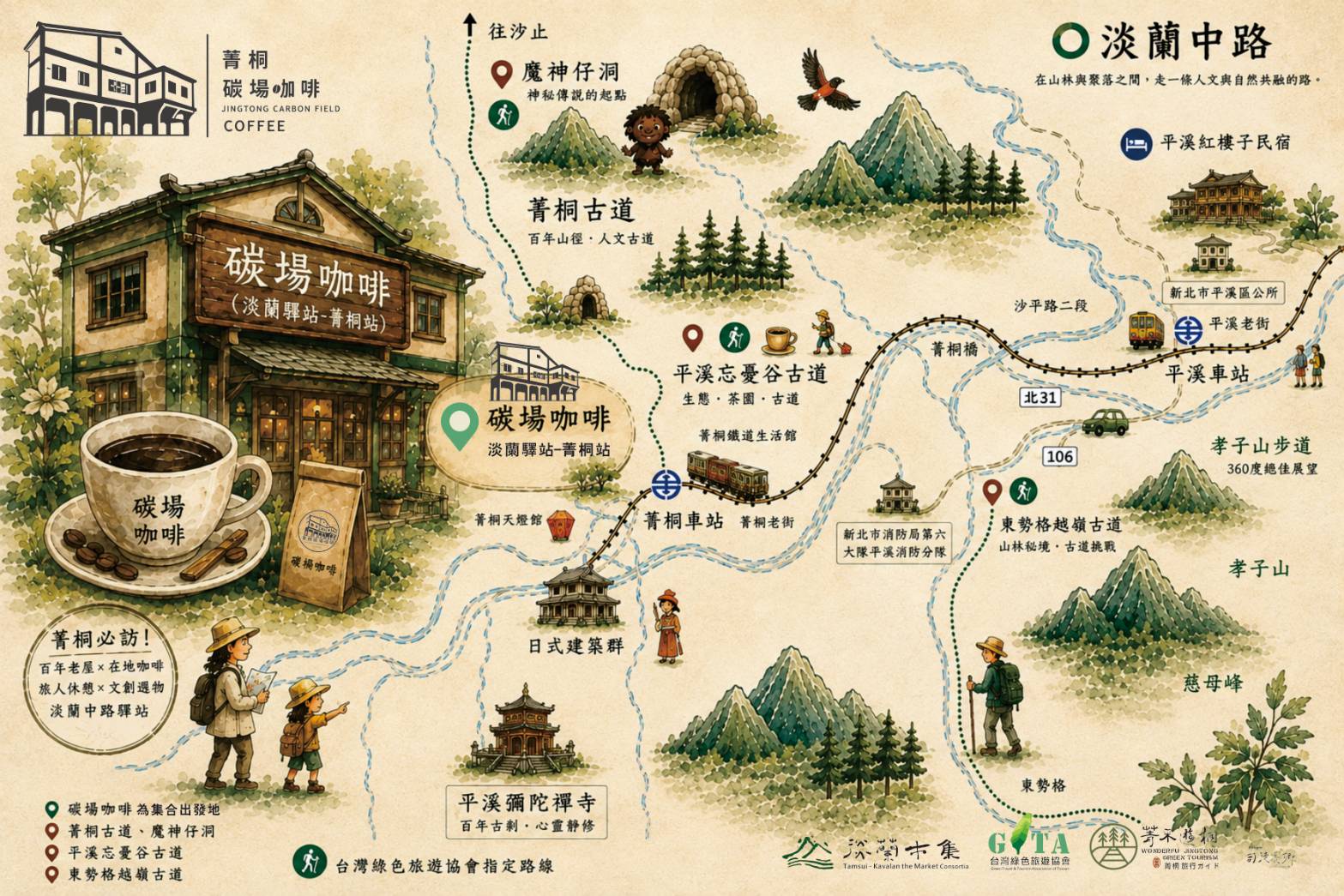
今日的菁桐洗煤場,已由在地經營者 鄭賢良先生 經營管理,並以「碳場咖啡(Carbon Coffee)」的名稱重新活化這座百年礦業建築。
在保留原有洗煤場歷史空間與產業地景的基礎下,碳場咖啡不僅提供旅人休憩、品嚐咖啡與認識菁桐文化的場所,更成為煤礦文化保存與地方故事傳承的重要據點。
二十年來,鄭賢良先生長期投入菁桐地方文化推廣工作,持續維護洗煤場歷史建築,讓更多旅人能透過咖啡館空間,親近臺灣煤礦產業發展的歷史軌跡。
未來,在淡蘭古道文化路徑、地方創生與永續旅遊的發展願景下,碳場咖啡將結合淡蘭驛站團隊推動計畫,逐步朝向:
- 淡蘭古道|中路驛站基地
- 煤礦文化&藝文展示空間
- 地方創生交流基地
- 淡蘭古道旅人補給站
- 文化導覽與體驗據點
- 大平溪地區農特產販售點
- ESG企業組織培訓基底
- 淡蘭古道走讀示範基地
未來~ 菁桐洗煤場『碳廠咖啡』將活化升級為淡蘭古道|中路驛站。

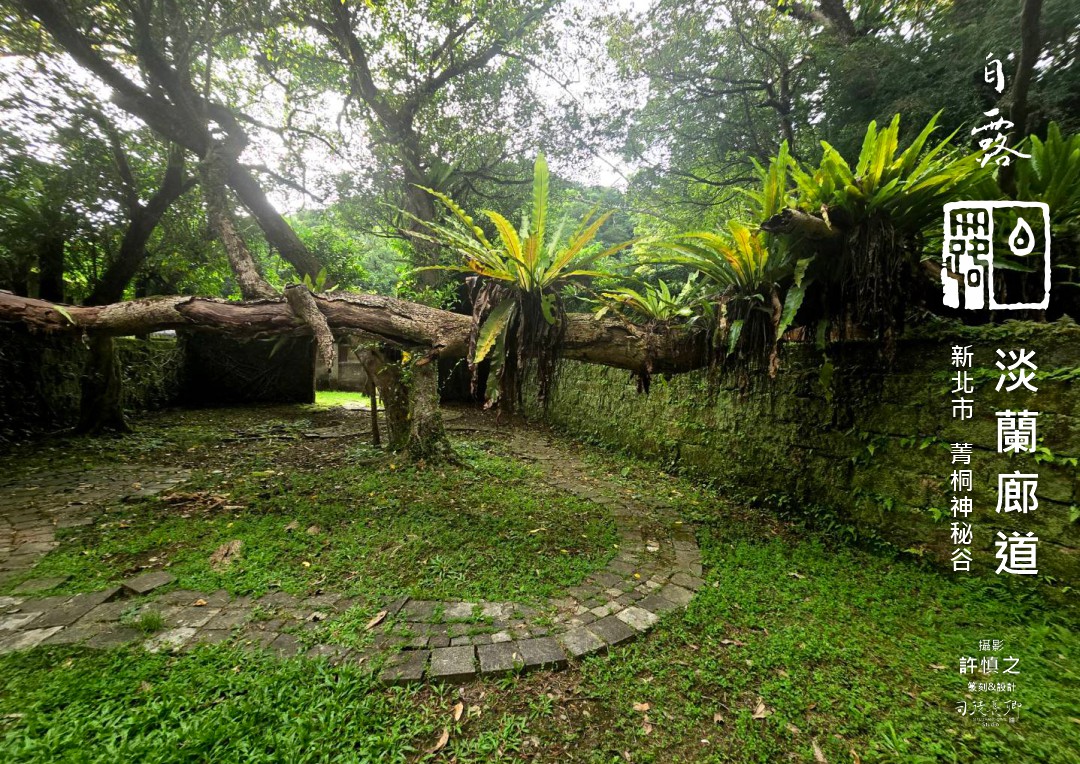
讓更多人透過一座洗煤場,看見台灣百年產業發展的軌跡。也看見這座山城曾經閃耀的黑金歲月。
谷歌衛星定位 | Google GPS MAP 走讀
**在 Google 地圖找出目前所在位置,並在 Android 手機或平板電腦上,開啟 Google 地圖應用程式地圖。
如果您尚未安裝應用程式,請前往 Play 商店下載。
輕觸右下方的「你的位置」圖示 地點。
地圖上的藍點代表您的所在位置。
開啟裝置的定位精確度設定
請開啟裝置的定位精確度設定,有助 Google 地圖找到您的位置,並在最精確的地點標示藍點。
🇺🇸 English Version
Jingtong Coal Washing Plant – Witness to Taiwan’s Century of Coal Mining History
The development of the Jingtong settlement in Pingxi District, New Taipei City, was profoundly influenced by the coal mining industry.
In 1918 (Taishō 7), the Japanese Fujita Group and the Yan family of Keelung, represented by brothers Yan Yun-Nian and Yan Guo-Nian, established the Taipei Coal Mining Company, initiating the development of the Shidi Coal Mine in Jingtong.
To facilitate the transportation of coal, the Pingxi Railway Line connecting Jingtong to other regions was completed in 1921 (Taishō 10). Later, in 1937 (Shōwa 12), the Shidi Main Inclined Shaft, the largest mining tunnel in the Pingxi area, was excavated. This shaft centralized coal transportation from surrounding underground mining tunnels, allowing all extracted coal to be transported through a single outlet.
The prosperity of the mining industry brought a large workforce and increased demand for housing and services. Taiwan Yang Mining Company subsequently constructed numerous worker dormitories and welfare facilities around the area. Commercial businesses gradually emerged along the road from the Taiwan Yang Club to the Shidi Main Inclined Shaft. As the mining economy flourished, more buildings and residences were constructed, eventually forming what became known as the Jingtong Settlement.
Today, Jingtong is the final station on the Pingxi Railway Line. Its preserved mining landscapes, industrial heritage, and appearances in television dramas have transformed it into a popular destination for visitors.
Source: National Cultural Memory Bank
When travelers arrive at Jingtong Station, the terminal station of the Pingxi Railway Line, they often admire the remaining mining structures and railway facilities scattered throughout the valley. Few realize that this tranquil mountain town was once one of Taiwan’s most important coal mining centers.
At the heart of this “Black Gold Era” stood a crucial facility that supported the entire mining operation:
Jingtong Coal Washing Plant
(Now Carbon Factory Café)
A coal washing plant was an essential processing facility between coal extraction and market distribution.
Coal brought up from deep underground was often mixed with rocks, soil, and other impurities. Before it could be transported or sold, it had to undergo screening, sorting, and washing processes to improve quality and combustion efficiency.
This necessity led to the establishment of the coal washing plant.
Coal extracted from the Shidi Main Inclined Shaft and surrounding mines was first transported here for processing before being shipped by railway to Keelung Port and destinations throughout Taiwan, becoming a key energy source that fueled industrial development.
An Important Center of Taiwan’s Coal Industry
The Shidi Coal Mining Area in Jingtong was once among Taiwan’s largest and most productive coal mining districts.
Following its development during the Japanese colonial era, miners, engineers, and related workers gathered here, creating a complete mining community.
The mining complex included:
- Mine entrances
- Coal washing plant
- Coal sorting facilities
- Rail cart tracks
- Coal storage warehouses
- Administrative offices
- Worker dormitories
- Cooperative stores
- Medical stations
Together, these facilities formed a self-sufficient mining town.
At the center of this production system stood the coal washing plant.
Coal extracted from underground was graded and processed here before being transported via the Pingxi Railway Line.
It can be said that:
Without the coal washing plant, there would have been no complete coal mining supply chain.
The Golden Age of “Black Gold”
From the 1950s to the 1970s, Taiwan’s coal industry reached its peak.
Coal served as the primary energy source for households, factories, power plants, and industrial facilities.
The washing plant operated continuously.
Miners transported cart after cart of coal from the mines, where it was screened, cleaned, and loaded before being shipped across Taiwan by rail.
Machines roared through the valleys.
Mine carts moved constantly along the tracks.
Coal dust filled the air.
These scenes remain among the most vivid memories of Taiwan’s industrialization era.
From Industrial Facility to Historical Landscape
As petroleum, natural gas, and imported coal gradually replaced domestic coal production, combined with rising mining costs and safety concerns, Taiwan’s coal industry entered a period of decline.
By the 1980s, most mines had ceased operation.
The coal washing plant, once active day and night, gradually fell silent.
Machines stopped running.
Mine carts no longer traveled the rails.
Coal no longer emerged from deep within the mountains.
What remained were historic industrial buildings and countless stories of miners and their families.
A Living Classroom of Mining Culture
Today, the Jingtong Coal Washing Plant no longer processes coal.
Yet its significance remains.
It has become one of Taiwan’s most important industrial heritage sites, preserving the history of coal mining and industrial development.
Through its surviving structures and mining relics, visitors can learn:
- How coal was extracted from underground
- How coal was sorted and processed
- The relationship between the Pingxi Railway Line and the coal industry
- The daily lives of mining families
- The broader history of Taiwan’s industrial development
These seemingly cold industrial structures actually embody the dreams, hard work, and aspirations of generations of people.
The Future of Jingtong Station and the Coal Washing Plant
Standing before the former coal washing plant today, we see more than history.
We see opportunities for cultural preservation and renewal.
Although coal mining has disappeared, the spirit of the miners remains.
It represents perseverance, diligence, and an unwavering determination to overcome challenges.
As the cultural route of the Tamsui-Kavalan Trails, regional revitalization projects, and sustainable tourism continue to develop, the Jingtong Coal Washing Plant can become an important link connecting mining culture, local stories, and travelers’ memories.
Looking Ahead
The former Jingtong Coal Washing Plant, now known as Carbon Factory Café, is planned to be revitalized and upgraded into:
Tamsui-Kavalan Market | Central Route Station
Through this transformation, more people will have the opportunity to discover Taiwan’s century-long industrial history and relive the glorious “Black Gold Era” that once illuminated this mountain town.
🇯🇵 日本語版
菁桐選炭場 ― 台湾百年炭鉱史を語る産業遺産
新北市平溪区にある菁桐集落の発展は、炭鉱産業と深く結びついています。
1918年(大正7年)、日本の藤田組と基隆の顔家(顔雲年・顔国年兄弟)が共同で「台北炭鉱株式会社」を設立し、菁桐石底炭鉱の開発を開始しました。
その後、石炭輸送を目的として、1921年(大正10年)に平渓線鉄道が開通しました。さらに1937年(昭和12年)には、平溪地域最大の坑道である「石底大斜坑」が掘削され、周辺鉱区の石炭を集約して搬出する重要な拠点となりました。
炭鉱業の発展により多くの労働者が集まり、台湾陽鉱業会社は宿舎や福利施設を整備しました。商店街も発展し、やがて現在の菁桐集落が形成されました。
現在の菁桐は平渓線の終着駅として知られ、炭鉱遺構や鉄道景観、さらにはドラマや映画のロケ地としても人気を集めています。
菁桐選炭場(現在の碳場咖啡)
菁桐駅を訪れる多くの旅行者は、山あいに残る炭鉱施設や鉄道設備を目にします。
しかし、この静かな山間の町が、かつて台湾有数の炭鉱地帯であったことを知る人は少なくありません。
その炭鉱産業を支えた重要施設が「菁桐選炭場」です。
選炭場は、採掘された石炭を市場へ出荷する前に選別・洗浄・分類するための施設でした。
石底大斜坑や周辺炭鉱から運ばれた石炭はここで処理され、その後平渓線を利用して基隆港や台湾各地へ輸送されました。
台湾炭鉱産業の重要拠点
石底炭鉱区は台湾最大級の炭鉱地帯の一つでした。鉱山には、
- 坑口
- 選炭場
- 選炭設備
- トロッコ軌道
- 石炭倉庫
- 事務所
- 宿舎
- 売店
- 診療所
などが整備され、自給自足型の炭鉱町を形成していました。
選炭場はその生産システムの中心に位置していました。
選炭場なくして、完全な炭鉱産業は成り立たなかった。
「黒い黄金」の黄金時代
1950年代から1970年代にかけて、台湾の炭鉱産業は最盛期を迎えました。
家庭用燃料、工場ボイラー、火力発電所など、多くの分野で石炭が利用されていました。
選炭場は昼夜を問わず稼働し続けました。
山には機械音が響き、
トロッコが絶えず走り、
空気には石炭の粉塵が舞っていました。
それは台湾工業化の象徴的な風景でした。
産業施設から歴史文化遺産へ
その後、石油や天然ガス、輸入炭の普及により台湾炭鉱産業は衰退しました。
1980年代以降、多くの炭鉱が閉山し、選炭場も静かにその役割を終えました。
しかし、残された建物や施設は今も当時の歴史を語り続けています。
未来へつながる文化拠点
現在の菁桐選炭場は、台湾炭鉱文化を伝える貴重な産業遺産です。
ここでは、
- 石炭採掘の歴史
- 選炭工程
- 平渓線と炭鉱産業の関係
- 鉱夫と家族の暮らし
- 台湾産業発展の歩み
を学ぶことができます。
そして未来には、「碳場咖啡」を
「淡蘭市集|中路驛站」
として再生・活用する計画が進められています。
この場所は、炭鉱文化と地域の物語を未来へつなぐ重要な拠点となるでしょう。
可自行列印張貼:
延伸閱讀:
Related Posts
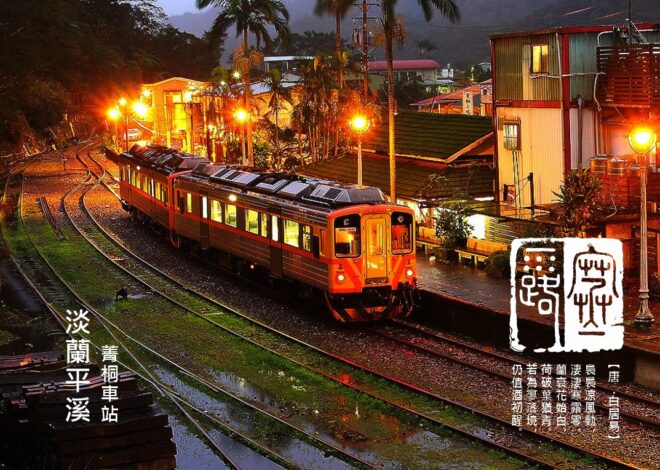
『地方創生&永續城鄉』淡蘭廊道-24節氣地方之美-寒露

『地方創生&永續城鄉』淡蘭廊道-24節氣地方之美-秋分