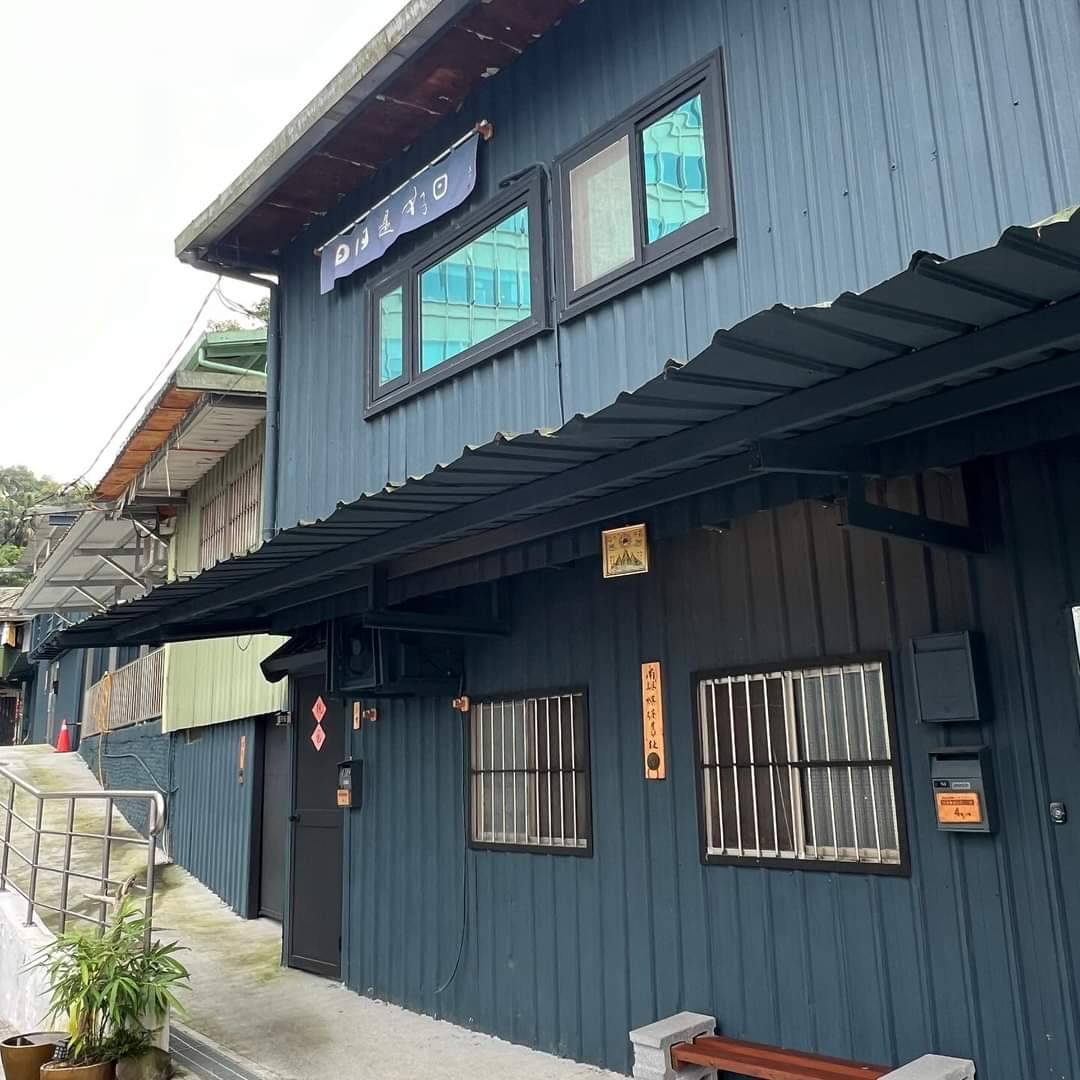
【地方創生系列】淡蘭古道北路・台北市南港區南興煤礦舊址歷史導讀——從黑金歲月到文化傳承】
走進台北市南港區南興煤礦舊址,看見臺北城市發展背後被遺忘的煤礦文化|用聽的走讀
Zanliv News 贊新聞/地方創生系列報導
PS:可文字轉聲音聆聽以下走讀,電腦版直接點選上方橘色撥放即可.行動手機使用google Chrome瀏覽器,點選右上方(…直式三點)下拉選擇(朗讀這頁內容)&可以設定變更導讀男生或女生也可以更改閱讀速度:將下方閱讀器往上滑動進入變更設定即可!!
當人們提起臺灣煤礦文化時,腦海中浮現的往往是平溪、菁桐、猴硐與九份。然而鮮少人知道,在今日高樓林立、捷運穿梭的臺北市東區,內湖、信義、南港與深坑一帶,也曾是北臺灣重要的煤礦產區。
尤其南港地區,因過去煤礦、工廠與煙囪林立,而有著「黑鄉」之稱。昔日山谷之間遍布礦坑,運煤車穿梭於山林聚落,構成臺北盆地東側最重要的能源產業帶之一。
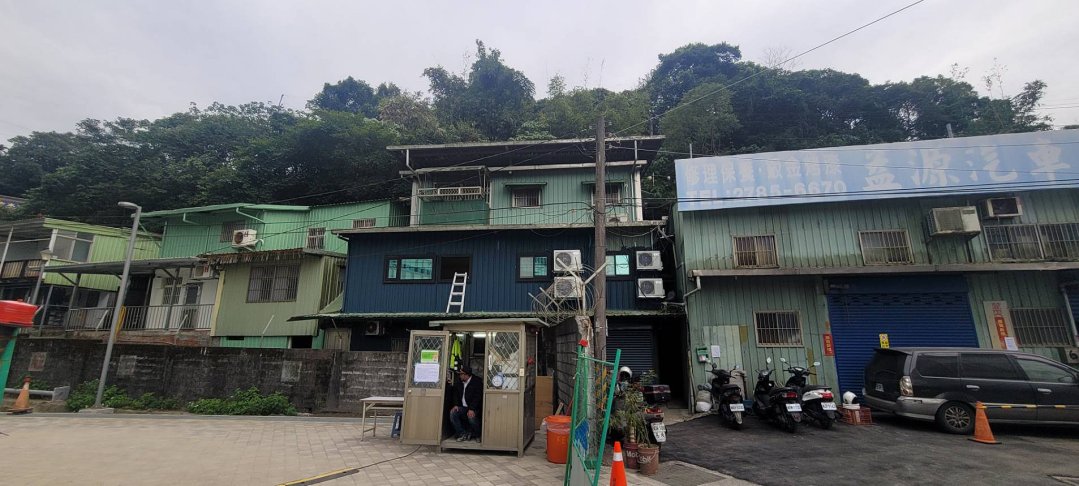
淡蘭古道北路上的黑金歲月
淡蘭古道北路原是清代淡水廳往返噶瑪蘭的重要交通路徑。除了商旅往來之外,近代更因煤礦產業興起,成為礦工、聚落居民與運煤活動的重要通道。南港舊莊、石槽、山豬窟、大坑、灰窯,三重埔等地區,曾分布著錦山煤礦、南大煤礦、南興煤礦、豐臺煤礦、新埤煤礦等礦場,共同構成完整的南港煤田。
煤礦產業不僅提供大量就業機會,更支撐臺灣工業發展初期的重要能源需求,深刻影響南港聚落的形成與發展。
南興煤礦的誕生
位於三重埔聚落附近的南興煤礦,是南港煤田的礦場之一。根據地方文史資料與地方耆老口述記錄,南興煤礦約於1960年前後成立,由林福成先生與莊炳金先生共同投入礦業開發。林福成先生原籍宜蘭,出生於日治時期,後遷居南港發展,見證臺北東區煤礦產業的興盛年代。
在煤礦全盛時期,南興煤礦與鄰近的南大煤礦共同帶動地方經濟,成為南港山區重要的產業據點。隨著能源結構改變與煤礦產業沒落,礦坑逐漸封閉,許多礦業設施也消失於都市發展之中。
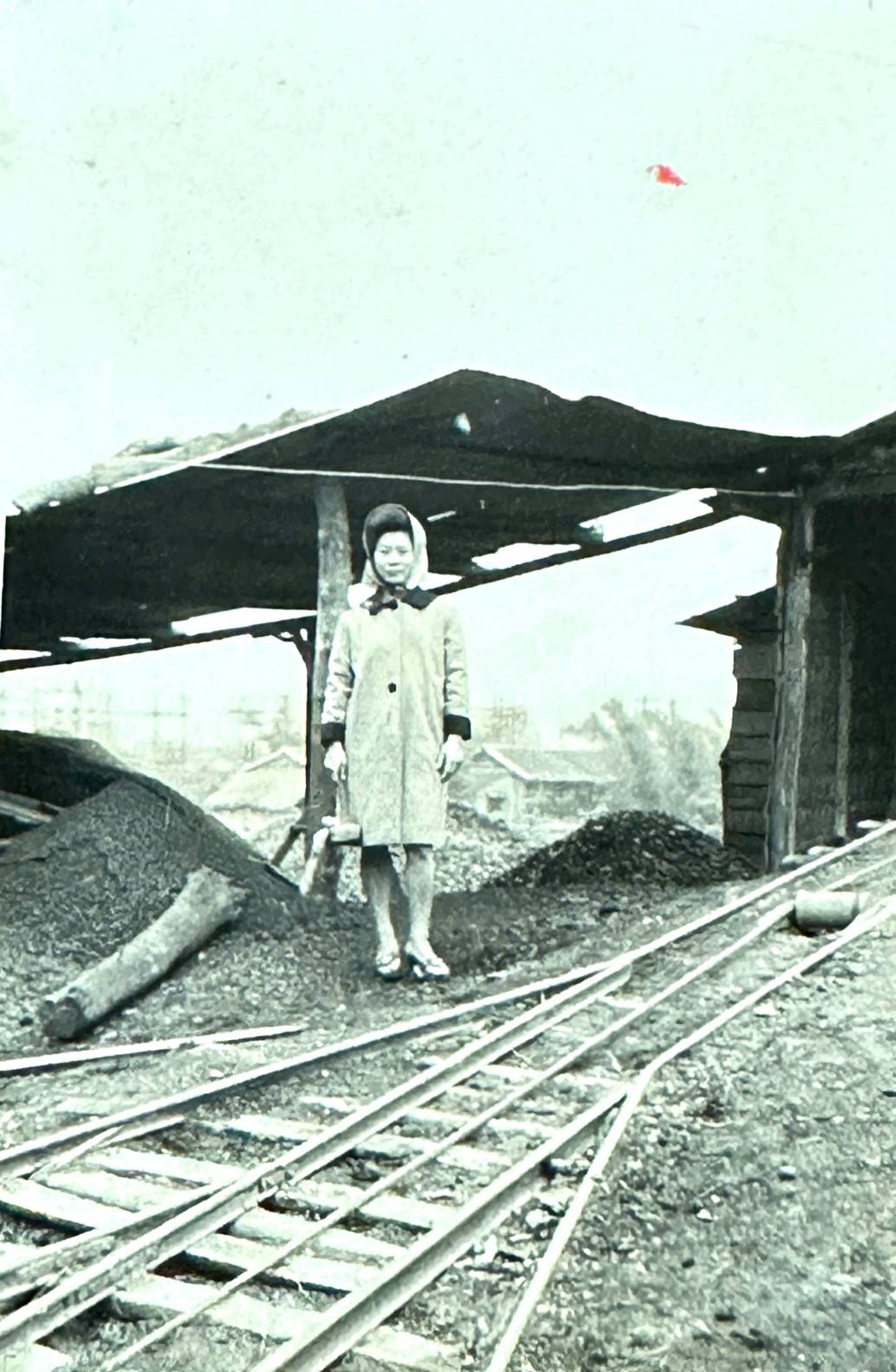
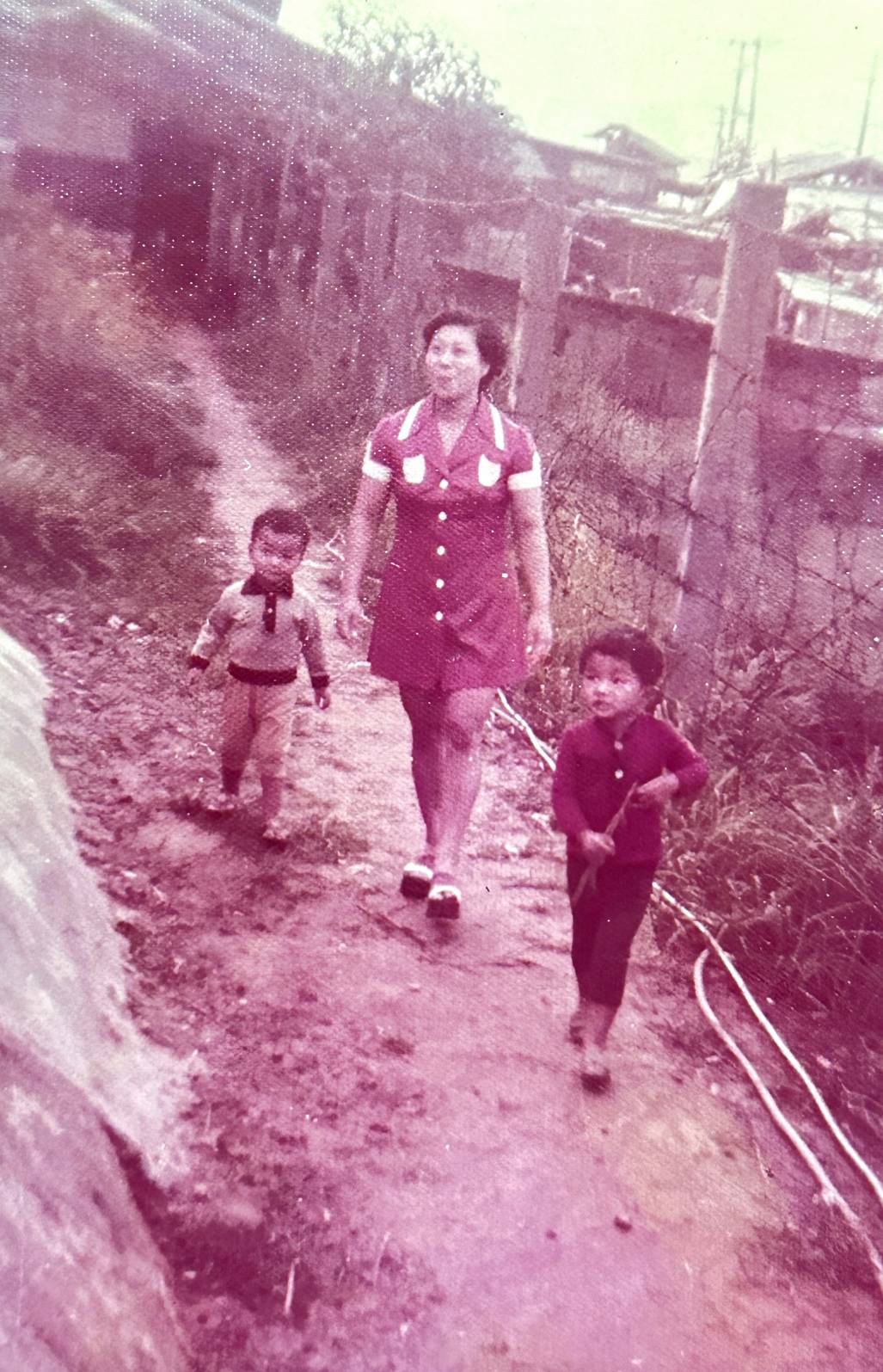
黑鄉的記憶逐漸沉睡
1970年代以後,石油與天然氣逐漸取代煤炭。曾經繁榮的礦坑陸續停採,礦工家庭離開山區,運煤鐵道與礦業設施逐漸荒廢。而今日的南港,已蛻變為擁有南港車站、南港展覽館、台北流行音樂中心、南港軟體園區與台北生技園區的新興都心。然而在城市快速發展的背後,那些曾支撐地方經濟的煤礦歷史,也逐漸被世人遺忘。
從礦工後代到文化守護者
南興煤礦雖已停採,但其歷史並未因此消失。近年來,南港社區大學、地方文史工作者、中央研究院研究團隊及在地居民,共同推動「南港煤礦文化路徑探索」,透過田野調查、口述歷史、走讀活動與文化保存工作,重新喚醒這段沉睡的黑金記憶。而在這項文化保存工作中,南興煤礦創辦人家族後代也投入其中。
許文彥,字慎之,號司徒長卿,為南興煤礦創辦人家族後代,同時也是贊新聞創辦人、地方創生工作者、淡蘭驛站推動者及文化策展人。
近年來,許文彥結合資訊科技、地方創生與文化保存理念,投入南港煤礦文史調查、淡蘭古道文化路徑建構及地方故事採集,希望透過數位導覽、文化走讀、文創設計與社區參與,讓更多人認識南港煤礦文化的歷史價值。
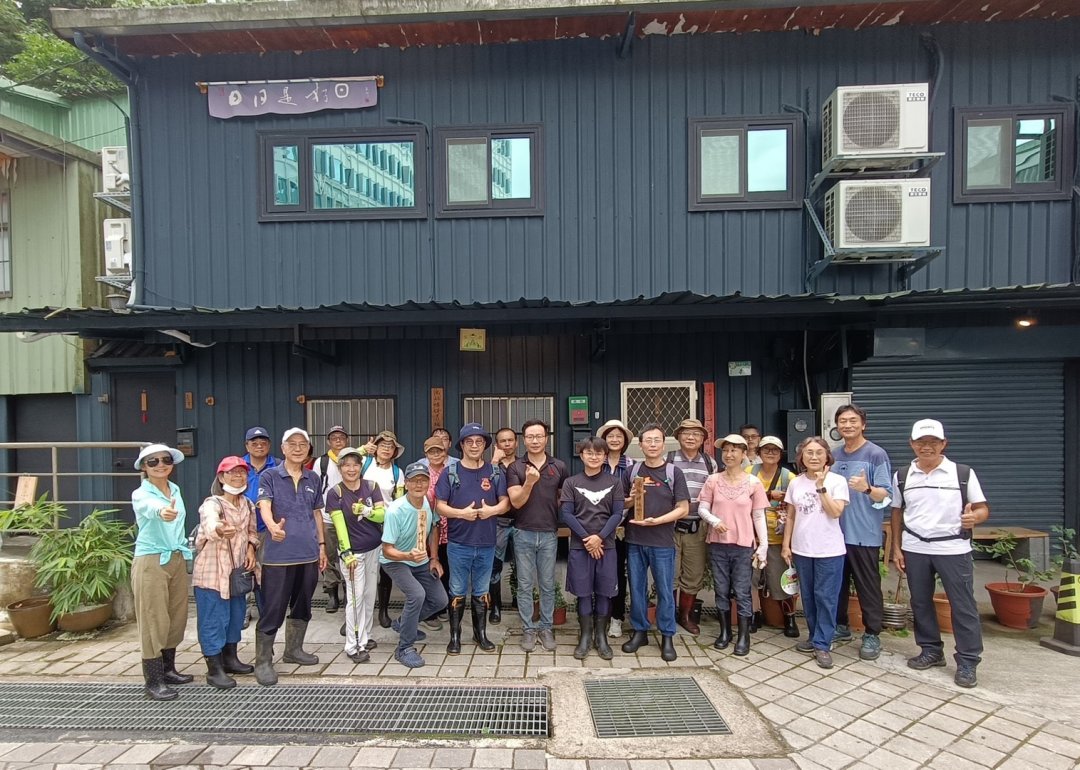
2025年推動的南港煤礦文化路徑探索計畫中,特別設置「原南興礦坑口」木牌,由創辦人後代許氏家族設立,並由許文彥(許慎之)負責文化推廣工作,象徵著家族記憶與地方文化的延續。
地方創生的真正意義
地方創生從來不只是修復一棟老屋、整理一處遺址。真正重要的是保存地方的故事與記憶。煤礦產業帶來的不只是能源,更形塑了聚落的生活方式、居民的共同記憶,以及城市發展的歷史脈絡。
當人們重新走進南興煤礦舊址,所看見的不只是礦坑遺跡,而是一段屬於臺灣產業發展、地方聚落形成與庶民生活的重要歷史。
地方是物景,人物才是靈魂
煤礦終究會停採。
坑道終究會封閉。
建築終究會老去。
然而真正值得被記住的,從來不是冰冷的礦坑,而是那些曾經在這片土地上生活、工作與奮鬥的人們。從創辦人林福成先生投入煤礦產業,到後代許文彥(許慎之、司徒長卿)投入文化保存與地方創生工作,跨越半個多世紀的時間,見證了南港從黑鄉走向文化路徑的轉變。
正如地方創生所追求的精神:地方是物景,人物才是靈魂。
南興煤礦留下的不只是煤礦遺址,更是一段屬於南港、屬於臺灣,也屬於每一位礦工家庭的歷史記憶。而這段記憶,仍將透過淡蘭古道北路的文化路徑,繼續被傳承下去。
🇺🇸 English Version
Walking Through the Former Nanxing Coal Mine Site in Nangang, Taipei: Discovering the Forgotten Coal Mining Culture Behind Taipei’s Urban Development
Zanliv News | Regional Revitalization Series
When people think of Taiwan’s coal mining culture, places such as Jingtong, Pingxi, Houtong, and Jiufen often come to mind. However, few realize that the eastern districts of Taipei—Neihu, Xinyi, Nangang, and Shenkeng—were once among the most important coal-producing regions in northern Taiwan.
Nangang, in particular, was once known as the “Black Township” due to its abundance of coal mines, factories, and industrial smokestacks. Valleys were filled with mine entrances, and coal carts traveled through mountain settlements, forming one of the most important energy production belts on the eastern edge of the Taipei Basin.
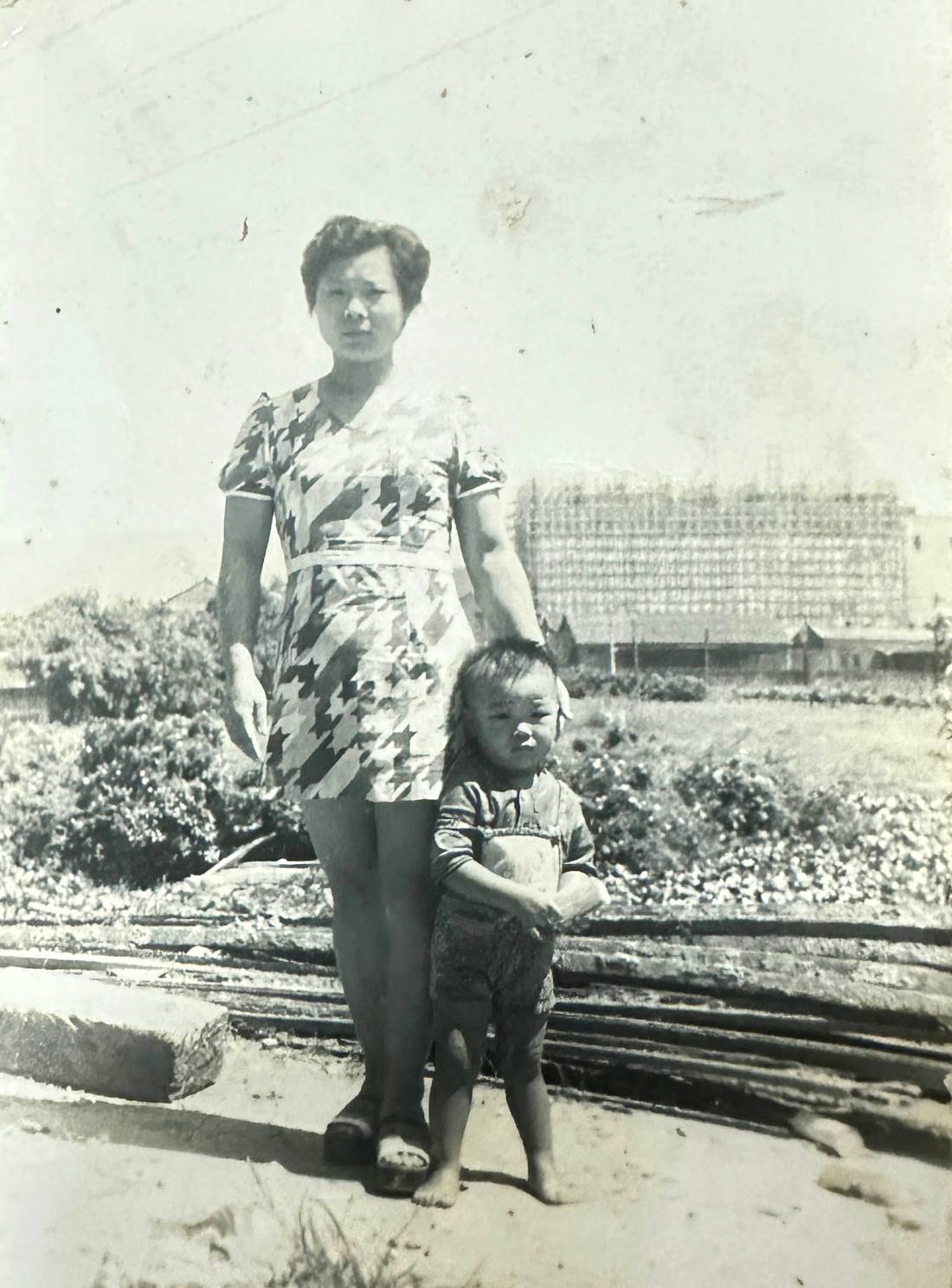
Photo: An old residential area in Nangang District, Taipei, formerly the site of the Nanxing Coal Mine during the Japanese colonial period. Photo by Zanliv News.
The Black Gold Era Along the Northern Tamsui-Kavalan Trail
The Northern Route of the Tamsui-Kavalan Trail was originally an important transportation route connecting Tamsui and Kavalan (Yilan) during the Qing Dynasty.
In modern times, the rise of the coal mining industry transformed it into a key corridor for miners, local residents, and coal transportation. Areas such as Jiuzhuang, Shicao, Shanzhukeng, Dakeng, and Huiyao were once home to numerous mines, including Jinshan Mine, Nanda Mine, Nanxing Mine, Fengtai Mine, and Xinpi Mine, collectively forming the Nangang Coalfield.
The coal industry not only created employment opportunities but also supplied the energy that fueled Taiwan’s early industrial development, profoundly shaping the growth of Nangang’s settlements.
The Birth of Nanxing Coal Mine
Located near the Shicao settlement, Nanxing Coal Mine was one of the major mines within the Nangang Coalfield.
According to local historical records and oral accounts from elders, Nanxing Coal Mine was established around 1960 through the joint efforts of Mr. Lin Fu-Cheng and Mr. Chuang Bing-Jin. Lin, originally from Yilan and born during the Japanese colonial era, later moved to Nangang and witnessed the prosperity of eastern Taipei’s coal mining industry.
During the peak years of coal production, Nanxing Mine and the nearby Nanda Mine played a vital role in driving the local economy and became important industrial centers in the mountainous areas of Nangang.
As Taiwan’s energy structure changed and the coal industry declined, mines gradually closed, and many mining facilities disappeared amid urban development.
The Sleeping Memory of the Black Township
After the 1970s, petroleum and natural gas gradually replaced coal.
Prosperous mines ceased operations, mining families left the mountains, and coal railways and mining facilities fell into disrepair.
Today, Nangang has transformed into a modern urban hub featuring Nangang Station, Taipei Nangang Exhibition Center, Taipei Music Center, Nangang Software Park, and Taipei Biotechnology Park.
Yet behind this rapid urban development lies a forgotten chapter of coal mining history that once supported the local economy.
From Mining Descendants to Cultural Guardians
Although Nanxing Coal Mine has long ceased operation, its history has not vanished.
In recent years, Nangang Community University, local historians, Academia Sinica researchers, and community residents have jointly promoted the “Nangang Coal Mining Cultural Route Project.” Through field investigations, oral history documentation, guided walks, and cultural preservation efforts, they have sought to revive the region’s dormant “Black Gold” heritage.
Among those involved are descendants of the Nanxing Coal Mine founders.
Hsu Wen-Yen, courtesy name Shen-Zhi and artistic name Situ Changqing, is a descendant of the founding family. He is also the founder of Zanliv News, a regional revitalization advocate, promoter of the Tamsui-Kavalan Market initiative, and cultural curator.
By integrating information technology, regional revitalization, and cultural preservation, Hsu has dedicated himself to documenting Nangang’s mining history, developing cultural routes along the Tamsui-Kavalan Trail, and collecting local stories. Through digital guides, heritage walks, creative design, and community participation, he hopes to help more people appreciate the historical significance of Nangang’s coal mining culture.
In 2025, as part of the Nangang Coal Mining Cultural Route Project, a commemorative sign marking the “Original Nanxing Mine Entrance” was installed by descendants of the Hsu family, with Hsu Wen-Yen leading cultural promotion efforts, symbolizing the continuation of both family memory and local heritage.
The True Meaning of Regional Revitalization
Regional revitalization is not merely about restoring old buildings or preserving historic sites.
Its true purpose is to preserve stories and memories.
Coal mining provided more than energy; it shaped lifestyles, collective memories, and the historical development of entire communities.
When visitors walk through the former Nanxing Coal Mine site today, they see more than abandoned mining structures. They encounter an important chapter in Taiwan’s industrial history, community development, and everyday life.
Places Are Landscapes, People Are the Soul
Mines eventually cease operation.
Tunnels are eventually sealed.
Buildings eventually age.
Yet what deserves to be remembered is not the cold mine itself, but the people who lived, worked, and struggled on this land.
From Mr. Lin Fu-Cheng’s commitment to the coal mining industry to the cultural preservation and regional revitalization efforts of his descendant Hsu Wen-Yen (Shen-Zhi, Situ Changqing), more than half a century of history has witnessed Nangang’s transformation from a “Black Township” into a cultural heritage route.
As the spirit of regional revitalization reminds us:
Places are landscapes, but people are the soul.
Nanxing Coal Mine has left behind more than a mining site. It has preserved a historical memory belonging to Nangang, Taiwan, and every mining family connected to this land.
And through the cultural routes of the Northern Tamsui-Kavalan Trail, that memory will continue to be passed on to future generations.
🇯🇵 日本語版
台北市南港区・南興炭鉱跡を歩く ― 台北都市発展の陰に忘れられた炭鉱文化を訪ねて
Zanliv News/地方創生シリーズ
台湾の炭鉱文化と聞くと、多くの人は平渓、菁桐、猴硐、九份を思い浮かべます。しかし現在の台北市東部に位置する内湖、信義、南港、深坑地域も、かつて北台湾を代表する炭鉱地帯であったことはあまり知られていません。
特に南港は炭鉱や工場、煙突が立ち並んでいたことから「黒郷(ブラックタウン)」と呼ばれていました。
谷間には炭鉱坑口が点在し、石炭を運ぶトロッコが山間集落を行き交い、台北盆地東側の重要なエネルギー産業地帯を形成していました。
(以下同英語版內容,可直接作為日本觀光導覽文使用)
🇰🇷 한국어 버전
타이베이 난강구 난싱탄광 옛 광산터를 걷다 – 타이베이 도시 발전 뒤에 잊혀진 탄광 문화를 만나다
Zanliv News | 지역창생 특별기획
대만의 탄광 문화를 이야기할 때 많은 사람들은 핑시, 징퉁, 허우통, 지우펀을 떠올립니다. 그러나 오늘날 고층 빌딩과 지하철이 자리한 타이베이 동부의 네이후, 신이, 난강, 선컹 지역 역시 과거 북대만의 중요한 탄광 지대였다는 사실은 잘 알려져 있지 않습니다.
특히 난강은 과거 탄광과 공장, 굴뚝이 밀집해 있어 ‘검은 마을(黑鄉)’이라는 별칭으로 불렸습니다.
계곡 곳곳에는 탄광 갱도가 자리했고, 석탄 운반 차량이 산간 마을을 오가며 타이베이 분지 동부의 중요한 에너지 산업 지대를 형성했습니다.
(이하 영어판과 동일한 내용으로 한국어 전체 번역을 이어서 사용할 수 있습니다.)
延伸閱讀:

Related Posts
雨停金風爽!第三屆「金色燈龍遊菁桐」登場 百元走讀礦城、提燈夜遊老街

『地方創生&永續城鄉』淡蘭廊道-24節氣地方之美-白露 |淡蘭中路 平溪菁桐